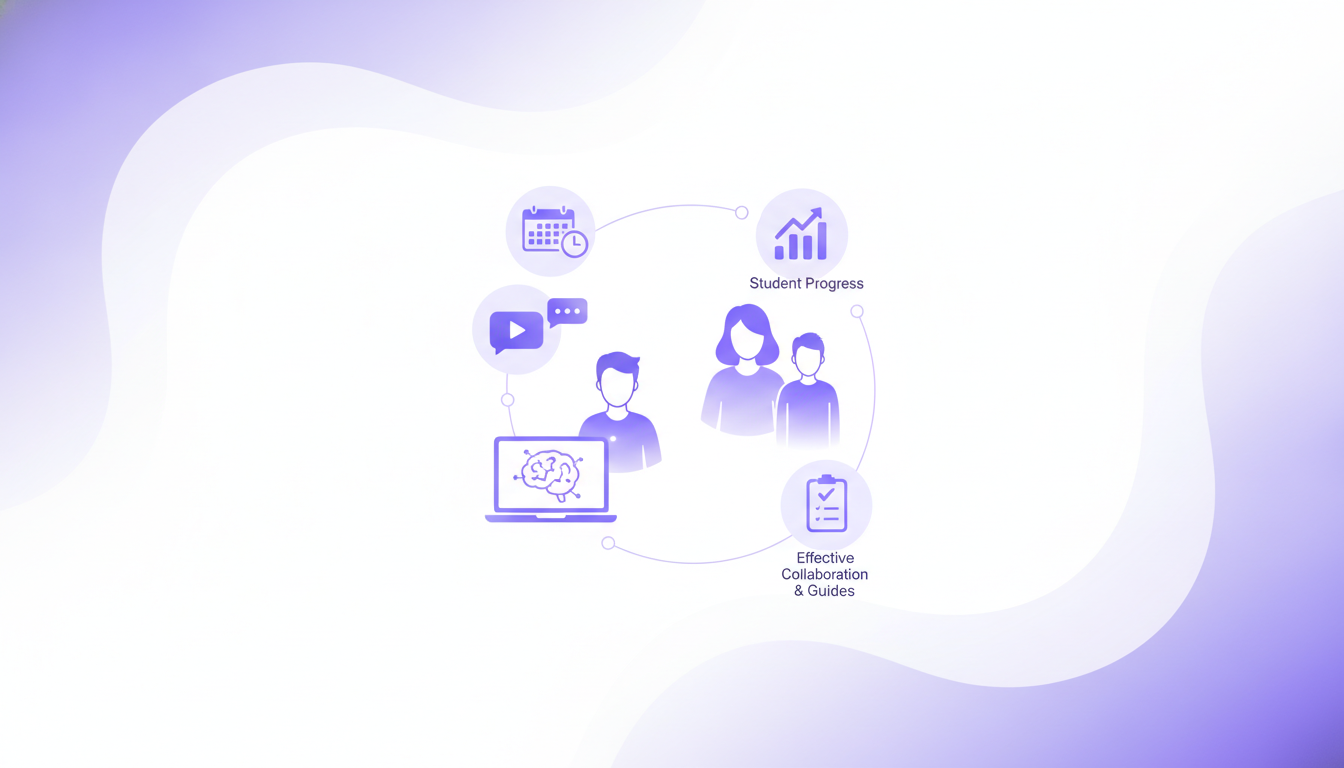
Learning with a tutor can be incredibly beneficial, but success often depends not only on the tutor's expertise or the student's effort but also on the quality of communication between parents and the tutor. Effective dialogue creates a strong learning ecosystem where the student feels supported and motivated. In this guide, we will discuss how to ensure this collaboration is as smooth and productive as possible, leading to the best academic outcomes.
Why is Effective Communication Essential?
Effective parent-tutor communication is more than just an exchange of information – it's a strategic partnership aimed at a common goal: the student's progress. When parents and tutors communicate regularly, they can:
- Align goals: Ensure everyone understands what is being pursued during lessons.
- Identify problems early: Quickly notice and address learning difficulties or lack of motivation.
- Adapt to student needs: Adjust teaching methods or the curriculum based on the student's development at home and in lessons.
- Create a consistent environment: Ensure that tutoring sessions complement learning at school and home.
- Boost student motivation: A student who sees adults collaborating for their success feels more engaged and valued.
First Contact: Building the Foundation
The initial meeting or conversation is critical. It's an opportunity to set the tone for communication and build a relationship based on trust.
Clear Goals and Expectations
Before starting lessons, it's important to clearly define what is expected from the tutor and the learning process itself.
- Parents: Formulate specific goals (e.g., improve grades in math tests, prepare for an exam, overcome reading difficulties). Discuss the desired frequency and intensity of lessons.
- Tutor: Confirm whether these goals are realistic and achievable. Explain your teaching methodology, the expected flow of lessons, and any potential obstacles.
Sharing Information About the Student
The more information the tutor has about the student, the more effective the teaching will be.
- Parents: Share the student's strengths and weaknesses, learning style, interests, any specific needs (e.g., dyslexia, ADHD), and previous tutoring experiences. Discuss how the student reacts to success and failure, and what their sources of motivation are.
- Tutor: Listen carefully and ask clarifying questions. This will help create a personalized learning plan.
Regular Feedback: Staying Connected
Effective communication is not a one-time event but an ongoing process. Regular feedback ensures that everyone is on the same page.
Tutor Reports
The tutor should regularly provide reports on the student's progress.
- What to include: Specific achievements, difficulties, homework completion, attitude towards learning, social interaction (if applicable).
- How to provide: A brief email, a message after a lesson, a less frequent, more detailed conversation.
Parent Observations
Parents also need to share their observations.
- What to include: How the student feels at home after lessons, whether you see progress at school, or if the student's attitude towards the subject has changed.
- When to share: If you notice anything important, don't wait for the tutor's report – initiate a conversation yourself.
Student Input
Don't forget to involve the student themselves in the communication, considering their age.
- Encourage the student to express their opinion about the lessons, what they like, and what they find challenging. This can be valuable information for both parties.
Communication Channels and Frequency
Choose the most convenient and effective communication channels and agree on their frequency.
- Channels: Email, phone calls, text messages, video calls. Some specialized platforms for online tutoring offer integrated messaging tools and shared schedules that facilitate communication and lesson organization.
- Frequency: Not only frequency but also quality is important. You can agree on a brief update after each lesson (e.g., a 5-minute chat) and a longer, more detailed conversation monthly or bi-monthly.
- > Pro tip: Agree in advance on the preferred communication method and timeframes. This will help avoid misunderstandings and ensure both parties feel comfortable.
Challenges and How to Overcome Them
Even in the best relationships, challenges can arise. It's important to identify and address them constructively.
Disagreements on Progress
Sometimes parents' expectations may differ from the student's actual progress.
- Solution: The tutor should provide concrete evidence (e.g., test results, work samples) and clearly explain why the progress is as it is. Parents should be open and understanding, remembering that learning is a process.
Time Constraints
Both parties are busy, so finding time for communication can be difficult.
- Solution: Utilize asynchronous communication methods (email, messages) where both parties don't need to be present at the same time. Agree on specific times for calls so they don't disrupt daily activities.
The Student at the Center of Communication
All this communication has one main goal – the student's well-being and success.
- Maintain a positive attitude: Even when discussing difficulties, maintain a positive and supportive tone.
- Avoid criticizing in front of the student: Never criticize the student to the tutor or vice versa in their presence. This can harm the student's self-esteem and motivation.
- Teach responsibility: Encourage the student to take responsibility for their own learning and actively participate in the process.
FAQ (Frequently Asked Questions)
How often should I communicate with the tutor? The frequency depends on individual needs and agreement. It is recommended to briefly connect after each lesson and have a more in-depth conversation every 4-6 weeks to discuss long-term progress and goals.
What if I disagree with the tutor's assessment? The most important thing is to express your concerns openly and respectfully. Ask the tutor to provide concrete examples or data supporting their assessment. If a solution cannot be found after an open discussion, it might be worth considering a second opinion or seeking another tutor, although this should be a last resort.
Should the student be involved in the communication? Yes, depending on the student's age and maturity. Older students can and should actively participate in setting goals and evaluating progress. For younger children, it is sufficient that they know adults are collaborating for their success and are encouraged to express their feelings about learning.
Successful parent-tutor communication is a cornerstone of a student's academic success. By investing time and effort in open, respectful, and regular dialogue, you not only help the student achieve better results but also create a positive, supportive learning environment.
About Tutlio
Tutlio is tutoring management software for private tutors and tutoring schools - lesson scheduling, student waitlist, Stripe payments, and automated reminders in one place. See pricing · browse more articles